Student Wellbeing Is More Than Mental Health Support
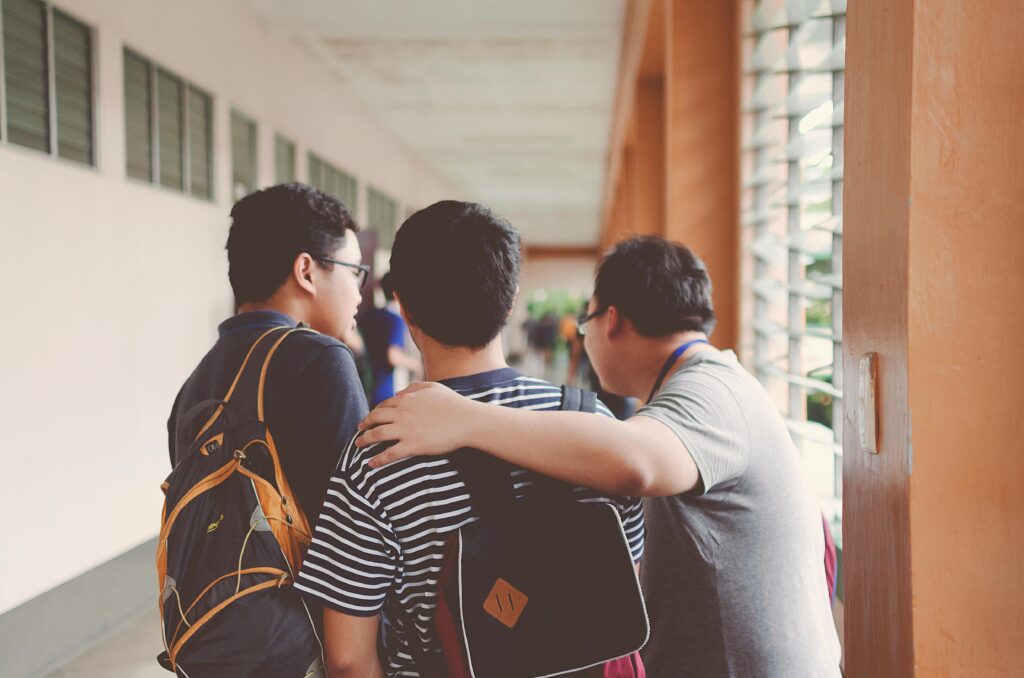
Student wellbeing has become a familiar term in higher education. Universities talk about it more openly than ever before, and that progress matters. There is more attention for stress, burnout, and mental health support, and that is something to value.
At the same time, the way we talk about student wellbeing has become quite narrow. In practice, wellbeing is often reduced to what happens when things go wrong. Counselling services, crisis lines, and workshops on stress management are essential, but they are mostly reactive. They step in when students are already struggling.
Wellbeing, however, is not only about recovery. It is also about prevention. And one of the most overlooked parts of student wellbeing is social connection.
University life is full of people, yet many students feel disconnected. They attend lectures together, work on group projects, and share campuses, but still struggle to build meaningful relationships. This is not always visible, and it is rarely urgent enough to trigger formal support. Yet the impact is significant.
Feeling disconnected affects how students experience their studies. It influences motivation, confidence, and persistence. When students do not feel they belong, everything becomes heavier. Asking questions in class feels harder. Setbacks feel more personal. Dropping out can start to feel like a logical option rather than a last resort.
This is not something individual students simply need to fix by being more outgoing or resilient. Student life is structured in a way that often makes connection accidental. Friendships depend on who you happen to meet in the first weeks, where you live, or which group you end up in. If those early connections do not form, there are few natural moments later on to start again.
That is where current wellbeing approaches fall short. They focus on individual coping strategies, while the social environment remains largely unchanged. Students are encouraged to take care of themselves, while the systems around them continue to rely on chance.
At Studinty, we look at student wellbeing through a social lens. We believe that making friends should not be left to chance, because connection is not a luxury. It is a foundation. Studinty helps students find others who are in a similar phase, situation, or city, both during introduction weeks and long after. The goal is not to replace existing communities or force friendships, but to lower the threshold to connection, especially for students who do not easily find their place in traditional social structures.
Seeing wellbeing as a shared responsibility changes the conversation. It shifts the focus from “How do we help students when they struggle?” to “How do we create an environment in which fewer students struggle in the first place?” That requires more than services and protocols. It requires attention to how students meet, connect, and feel included over time.
This does not mean mental health support becomes less important. On the contrary. Strong social connections often make it easier for students to seek help when they need it. Feeling seen and supported by peers can prevent problems from escalating and reduce the sense of isolation that often accompanies mental health struggles.
Student wellbeing is built in everyday moments. In conversations after class. In shared experiences. In knowing there is someone you can reach out to, even when things are not going particularly wrong or right.
If higher education wants to take student wellbeing seriously, it needs to look beyond support systems that activate only in crisis. Wellbeing is not something students manage alone. It is something that grows in connection with others.
And when connection is treated as essential rather than optional, student wellbeing stops being a response to problems and starts becoming part of student life itself.