From Local to Global: Making International Friendships at University
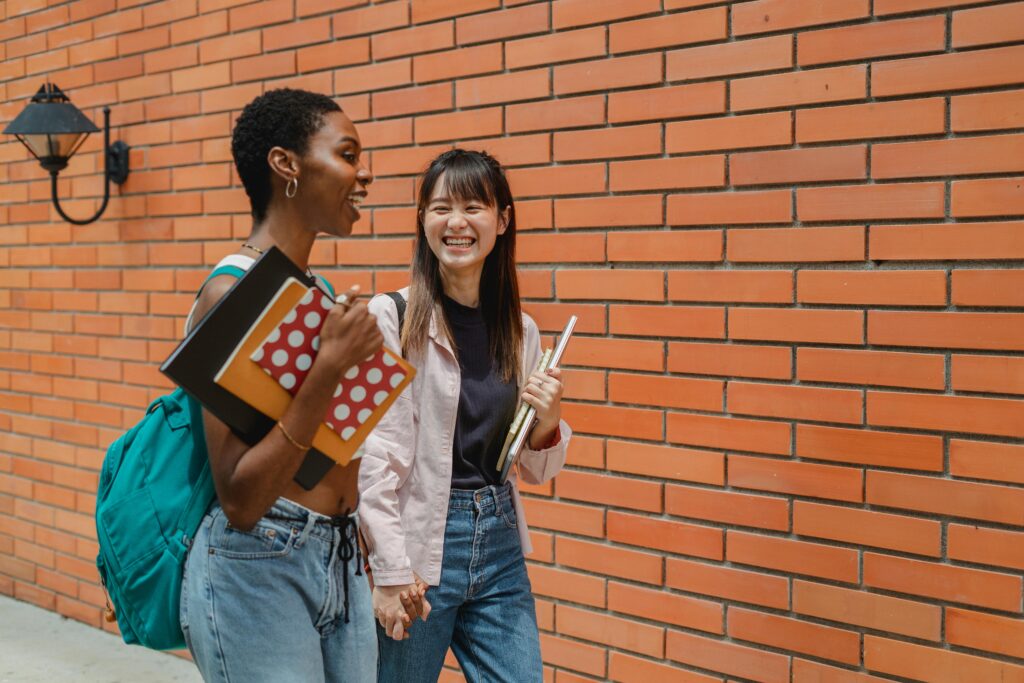
University is often the first place where your world suddenly becomes much bigger. You meet people from different cities, cultures, and sometimes from the other side of the world. Lecture halls become melting pots of languages, habits, and perspectives. Yet despite this diversity, many students still end up staying mostly within their familiar circles.
Making international friendships does not always happen naturally. It takes curiosity, openness, and sometimes a little courage. But when it does happen, it can become one of the most valuable parts of your student life.
Why international friendships matter
International friendships offer much more than interesting conversations about food or holidays. They challenge your assumptions, expand your worldview, and teach you to see everyday things differently. You might discover new ways of thinking about studying, relationships, or even what “home” means.
For international students, these friendships can be a lifeline. Studying abroad often comes with excitement, but also loneliness, culture shock, and homesickness. Having local friends helps bridge that gap and makes a new country feel more like home.
For local students, international friendships can make university life richer and more meaningful. They add depth to your social life and often lead to lifelong connections that extend far beyond graduation.
Why it is not always easy
Despite good intentions, local and international students often stay separated. Language barriers, different social norms, and fear of saying the wrong thing can create distance. Sometimes it is simply convenience. People sit next to those who feel familiar, join groups where they already know someone, or stick to habits formed during the first weeks.
Another challenge is timing. International students may arrive earlier or later than local students, missing key introduction moments. After the first weeks, it can feel awkward to suddenly reach out to new people, even if you genuinely want to.
Recognizing these barriers is important, because it shows that struggling to connect is not a personal failure. It is a shared experience.
Small steps that make a big difference
Building international friendships does not require grand gestures. It often starts with small, intentional actions.
Be curious and ask open questions. Most people appreciate genuine interest in their background, studies, or experiences. Listening is often more important than knowing what to say.
Join activities with a purpose beyond socializing. Study groups, sports teams, volunteering, or hobby clubs naturally bring people together. Shared activities reduce pressure and make conversations feel more natural.
Create inclusive plans. Instead of saying “we always do this,” ask what others would enjoy. Invite people to simple things like cooking together, going for a walk, or studying in the library. These low pressure moments often lead to deeper connections.
Accept that misunderstandings may happen. Different communication styles or cultural norms can lead to awkward moments. Approaching these with humor and openness builds trust rather than distance.
Using digital tools to connect
In a busy student life, it helps to have tools that make connection easier. Platforms like Studinty allow students to meet others based on interests, studies, or shared goals rather than chance encounters. This can be especially helpful for international students who may feel unsure where to start, and for local students who want to connect beyond their existing circle.
Meeting someone online first can lower the barrier to starting a conversation offline. It gives you something in common from the start, making that first coffee or study session feel less intimidating.
A more connected campus
Universities often talk about internationalization, but true connection happens on a personal level. It happens when students feel seen, welcomed, and included. Making international friendships is not about ticking a diversity box. It is about building a campus culture where everyone belongs.
If you take one step outside your comfort zone, you might gain a friend who shows you the world through a completely new lens. And often, you will realize that despite cultural differences, the desire to belong, to laugh, and to feel understood is something you all share.
At Studinty, we believe that making friends should not be left to chance. When local and international students truly connect, university becomes more than a place to study. It becomes a place to grow, together.