Why Students Feel Lonely Even in a Crowd (And What Universities Can Do About It)
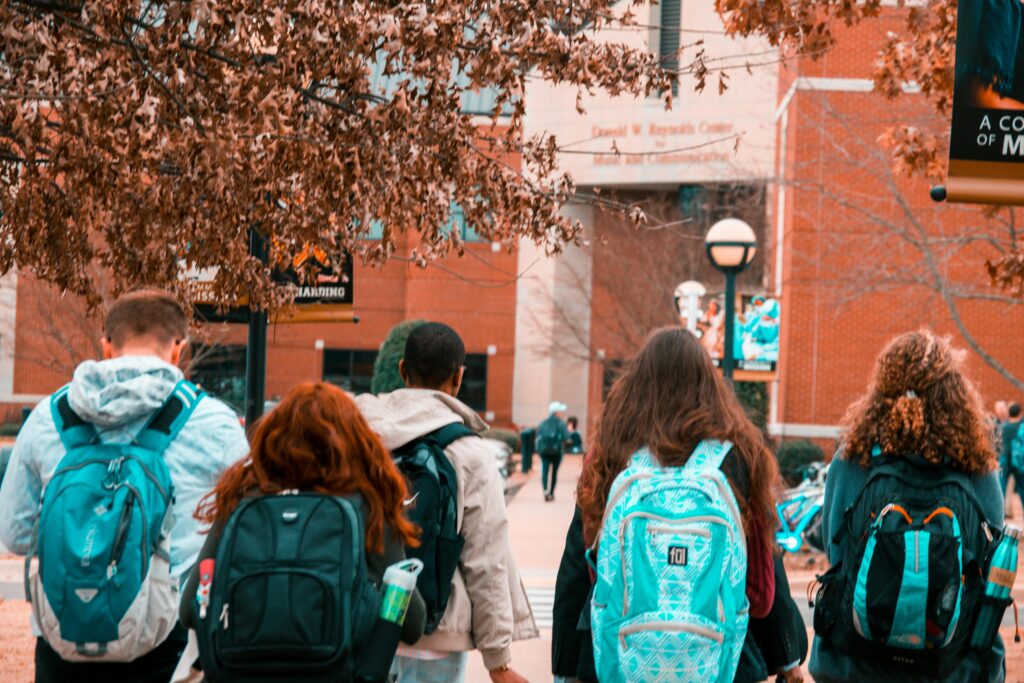
Universities are full of people. Lecture halls are packed, campuses are busy, and events are happening every week. From the outside, it looks like the perfect environment to meet others and build friendships.
And yet, many students still feel alone.
This is one of the more difficult realities of student life. Loneliness does not always come from being physically alone. In many cases, it shows up when students are surrounded by others but do not feel a real sense of connection. They are present, but not truly included.
For universities that care deeply about student wellbeing, this creates an important question. Why does loneliness exist in such social environments, and what can be done about it?
Part of the answer lies in how connections are formed. Many friendships during student life are still left to chance. Students meet during introduction weeks, in classes, or through shared housing. These moments are valuable, but they do not guarantee meaningful connections. Not every student finds people they truly relate to in those early interactions.
At the same time, there is often an assumption that social life will naturally fall into place. Once the first weeks pass, support structures tend to shift more toward academic progress and mental health services. While these are essential, they do not always address the everyday social experience of students.
The result is a gap. Students who did not find their circle early on can feel like they are already behind. It becomes harder to reach out, harder to join new groups, and easier to withdraw. Over time, this can affect not only their wellbeing but also their engagement and overall experience at university.
It is important to recognize that loneliness in this context is not simply a personal issue. It is often a structural one. When connection depends mostly on timing, coincidence, or existing social confidence, some students will inevitably be left out.
This is where universities have an opportunity to make a meaningful difference.
Improving student wellbeing does not only mean offering support when something goes wrong. It also means creating an environment where belonging is more accessible from the start and continues throughout the student journey.
This can take different forms. Encouraging smaller, interest based interactions can help students find others they genuinely relate to. Extending social support beyond introduction periods can make a big difference for those who need more time to settle in. Creating spaces where students can continuously discover new connections can reduce the pressure of getting it right in the first few weeks.
At its core, this is about shifting from a focus on moments to a focus on continuity. Connection should not be limited to a single week or a few events. It should be something students can build over time, in a way that feels natural and personal.
We believe that making friends should not be left to chance.
That belief is what led to the creation of Studinty. The idea is simple. Give students a way to find others they truly connect with, based on shared interests, lifestyles, and preferences. Not just during introduction week, but before and long after.
Studinty is not a replacement for real life interaction. It is a tool that supports it. It helps students take the first step, especially when that step does not happen automatically.
For universities, supporting initiatives like this can be part of a broader approach to wellbeing. One that recognizes that feeling connected is not a luxury, but a foundation for a positive student experience.
When students feel that they belong, everything else becomes easier. They are more likely to engage, to persist, and to enjoy their time at university.
And that starts with connection.